

Tirunelveli Halwa: The Silky Sweet That Became a Symbol of Nellai
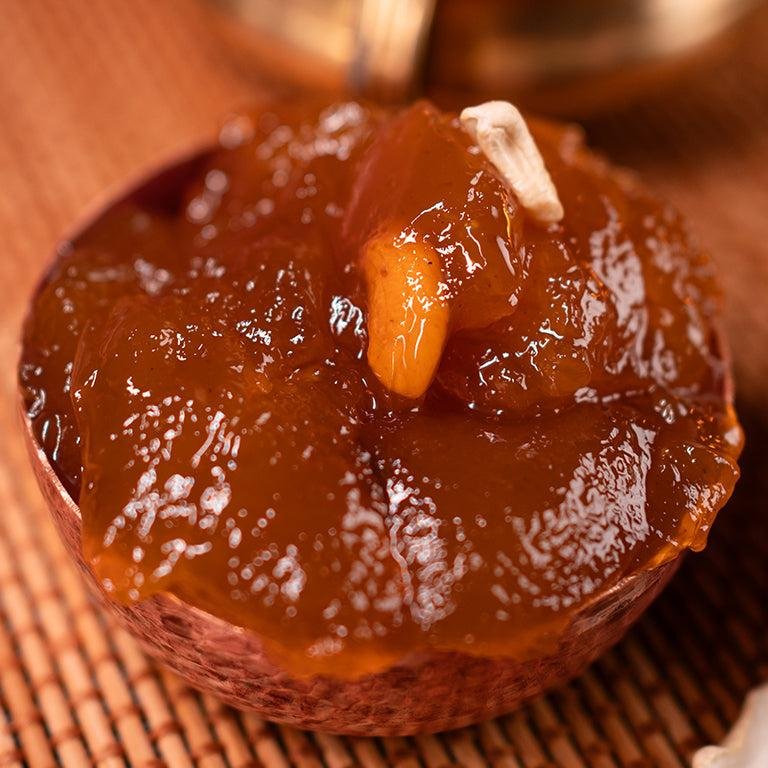
Golden, glossy and wonderfully chewy, Tirunelveli Halwa is one of Tamil Nadu’s most famous traditional sweets.
Ask someone what Tirunelveli is famous for, and chances are halwa will be one of the first answers.
Made primarily from wheat, sugar and generous amounts of ghee, this translucent sweet has a distinctive texture that stretches slightly before melting into a rich, buttery sweetness.
But Tirunelveli Halwa isn’t famous simply because it tastes good.
It has a story.
A Sweet With a Migrant Beginning
The history of Tirunelveli Halwa is generally traced to the late 19th century.
According to the widely told local account, the recipe was brought to Tirunelveli by a family from Rajputana (present-day Rajasthan).
The family is said to have settled in Tirunelveli and introduced the sweet-making technique to the region.
Over time, local sweet makers adapted and refined the preparation, eventually creating the distinctive style of halwa that became associated with Tirunelveli.
This is an interesting part of the story: the sweet that became an emblem of southern Tamil Nadu is believed to have roots outside the region.
The Birth of a Tirunelveli Icon
As the halwa became popular, it began appearing in shops around the city.
One establishment in particular became deeply associated with the sweet:
Iruttukadai Halwa.
The name literally translates roughly as “dark shop halwa shop”, and the shop became famous for its simple, old-fashioned style of selling halwa.
Its reputation grew through word of mouth rather than elaborate advertising.
For generations of visitors, bringing home a parcel of Tirunelveli Halwa became almost a ritual.
What Makes Tirunelveli Halwa Different?
Halwa is found throughout India, but Tirunelveli’s version has a very distinctive character.
The traditional preparation relies on:
- Wheat
- Sugar
- Ghee
- Water
The wheat is soaked and processed to extract its starch-rich milk.
That wheat extract is then cooked with sugar and large quantities of ghee.
The mixture is stirred continuously for a long period until it develops its characteristic glossy appearance and elastic texture.
The result is very different from many North Indian halwas.
It is translucent, sticky, chewy and intensely rich.
The Art of Making Halwa
Making authentic Tirunelveli Halwa is not simply a matter of mixing ingredients.
The preparation is labour-intensive.
1. Wheat Is Soaked
Whole wheat is cleaned and soaked in water.
2. Wheat Milk Is Extracted
The soaked wheat is ground and processed to extract a milky liquid containing the starch.
This liquid forms the foundation of the halwa.
3. The Mixture Is Cooked
The wheat extract is cooked together with sugar.
As the mixture thickens, ghee is gradually incorporated.
4. Continuous Stirring
This is where experience matters.
The mixture needs to be stirred and cooked until it reaches the right consistency.
Too little cooking can leave the halwa underdeveloped, while excessive cooking can change its texture.
5. Ghee Finishes the Transformation
As more ghee is incorporated, the halwa becomes glossy and begins to separate slightly from the cooking vessel.
The finished sweet is then transferred, portioned and packed.
Why Is It So Shiny?
That unmistakable shine is one of Tirunelveli Halwa’s signatures.
The combination of cooked wheat starch, sugar and ghee creates a glossy surface and smooth, almost translucent appearance.
When freshly prepared, the halwa can appear almost jewel-like under the light.
And then comes the texture.
Unlike a crumbly sweet, good Tirunelveli Halwa has a soft, elastic pull.
It stretches slightly when lifted with a spoon before settling back into its rich, glossy mass.
Why Do People Take Halwa Home From Tirunelveli?
Tirunelveli Halwa has become one of Tamil Nadu’s classic edible souvenirs.
Visitors travelling through the city often buy packets to take home for friends and family.
The tradition has become so strongly associated with the city that halwa has almost become a symbol of returning from Tirunelveli.
It is not uncommon for people to ask travellers:
“Tirunelveli poyittu halwa konduvannilla?”
In other words: You went to Tirunelveli and didn’t bring back halwa?
That playful expectation says a lot about how deeply the sweet is woven into local culture.
The Famous “Iruttukadai” Connection
Among Tirunelveli’s many halwa sellers, Iruttukadai has achieved almost legendary status.
Its name and old-fashioned appearance have become part of the city’s food folklore.
The shop’s association with evening sales and its relatively dim interior contributed to the nickname “Iruttukadai,” meaning “dark shop.”
The important point is that the popularity of Tirunelveli Halwa did not come from luxury ingredients or elaborate presentation.
Its reputation was built around taste, consistency and tradition.
More Than Just a Sweet
Tirunelveli Halwa is a reminder that food traditions rarely stay static.
A preparation can travel from one region to another, be adapted by local communities and eventually become inseparable from its new home.
That is what makes the story of Tirunelveli Halwa particularly fascinating.
Its story connects migration, local entrepreneurship, traditional food-making and regional identity.