

The Floating Islands of Loktak Lake
Where islands drift across the water
There are lakes you visit for the scenery, and then there is Loktak Lake—a place where the landscape itself seems to move.
In the heart of Manipur, Loktak is famous for its unusual floating formations called phumdis. Made from a mixture of vegetation, soil and organic matter, these floating masses spread across the surface of the lake, creating a landscape unlike almost anywhere else in India.
From a distance, they can look like small green islands floating peacefully on the water. But look closer, and you’ll discover that some are large enough to support vegetation, wildlife and even human activity.
A lake unlike any other
Loktak is the largest freshwater lake in northeastern India, and its changing patterns of floating phumdis are what give it its distinctive character.
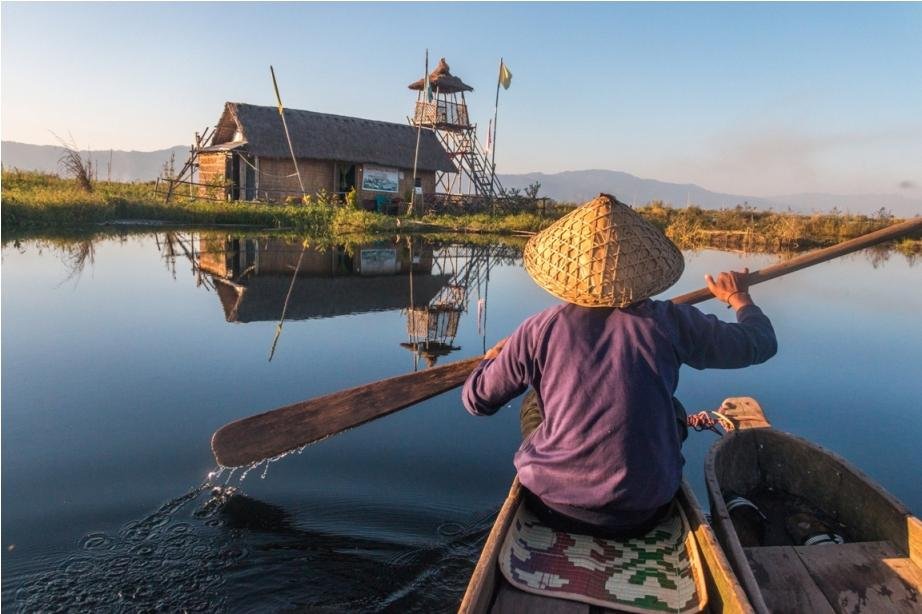
The lake is constantly alive. Fishermen move between the floating formations in small boats, while birds and other wildlife make use of the surrounding wetlands.
Early in the morning, when mist hangs over the water and the first light reflects across the lake, the scene can feel almost surreal.
Home to a very special national park
One of the most remarkable parts of Loktak Lake is Keibul Lamjao National Park.
Spread across floating phumdis, it is known as the world’s only floating national park. More importantly, it provides a protected habitat for the endangered Sangai, the brow-antlered deer and one of Manipur’s most distinctive animals.
The Sangai has become deeply connected with the identity of Manipur, making the conservation of its habitat especially important.
Life on the floating landscape
For the communities living around Loktak, the lake isn’t simply a beautiful destination.
It has long been connected to everyday life, supporting fishing and other local livelihoods. Traditional fishing structures can be seen across the lake, while boats remain an important way of moving through its waters.
This combination of nature, wildlife and human life is what makes Loktak particularly interesting for travellers.
A different side of India
India’s famous travel destinations often come with grand palaces, ancient temples and busy cities.
Loktak offers something completely different.
Here, the attraction is the quiet movement of water, floating vegetation, small fishing boats and distant hills. There is no monumental architecture competing for attention. The landscape itself is the spectacle.
And perhaps that’s what makes Loktak so memorable.
Quick Facts
📍 Where: Manipur, Northeast India
🌊 Lake: Loktak Lake
🌿 Floating formations: Phumdis
🦌 Wildlife highlight: Sangai, the brow-antlered deer
🌳 National park: Keibul Lamjao National Park
✨ Known for: The world’s only floating national park
Why visit Loktak Lake?
If you’re looking for an India that feels a little unexpected, Loktak Lake deserves a place on your list.
Come for the floating islands. Stay for the silence, the wildlife and the extraordinary relationship between the lake and the people who call its shores home.
Some landscapes are meant to be explored. Others are simply meant to be experienced. Loktak is both.