

Kumbh Mela: The World’s Greatest Gathering of Faith
Every few years, the banks of India’s sacred rivers transform into vast temporary cities filled with pilgrims, saints, sadhus and visitors from around the world.
This is the Kumbh Mela — one of the world’s largest religious gatherings and one of India’s most extraordinary expressions of faith.
For millions of Hindu pilgrims, the Kumbh is far more than a festival. It is a sacred journey centred around bathing in holy rivers, seeking spiritual merit and experiencing an ancient pilgrimage tradition.
What Is Kumbh Mela?
The Kumbh Mela is a major Hindu pilgrimage and religious gathering held at four sacred locations in India:
- Prayagraj, Uttar Pradesh
- Haridwar, Uttarakhand
- Nashik, Maharashtra
- Ujjain, Madhya Pradesh
The gatherings follow a complex astrological and religious calendar, with the largest celebrations occurring at particular intervals.
Among them, the Maha Kumbh at Prayagraj is especially significant.
The Sacred Confluence at Prayagraj
Prayagraj is home to the famous Triveni Sangam, traditionally regarded as the meeting point of the Ganga, Yamuna and the invisible Saraswati.
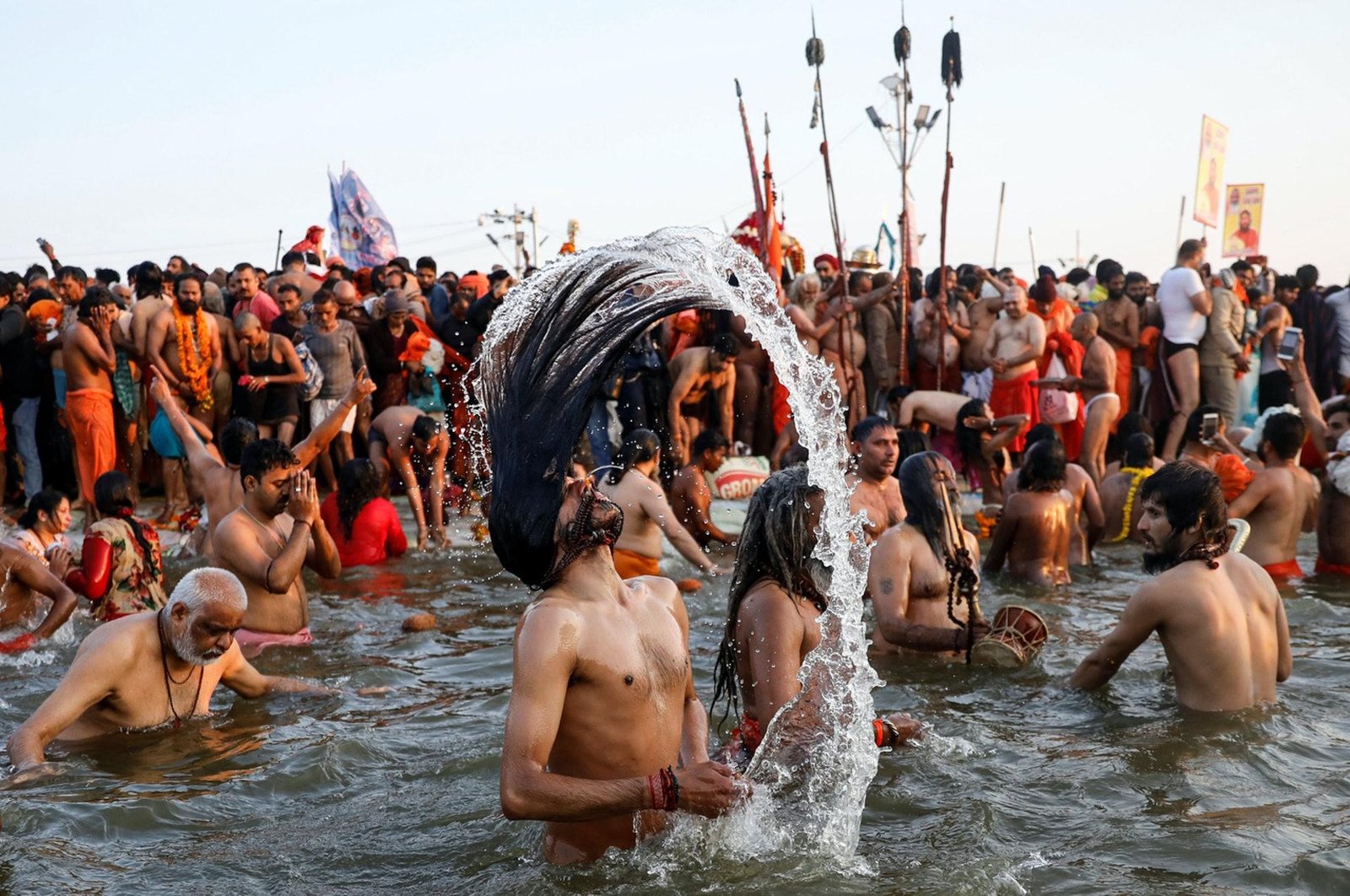
During the Kumbh, millions of pilgrims travel to the Sangam to take a ritual bath.
For devotees, bathing in these sacred waters is believed to have profound spiritual significance and is an important part of the pilgrimage.
The Legend of the Nectar of Immortality
The origins of the Kumbh tradition are connected with the ancient Hindu story of Samudra Manthan, the churning of the cosmic ocean.
According to the legend, gods and demons churned the ocean in search of amrita, the nectar of immortality.
A sacred vessel, or kumbh, containing the nectar emerged from the ocean. During the struggle over the vessel, drops of the nectar are traditionally believed to have fallen at four locations — the places that became associated with the Kumbh Mela.
The story forms an important part of the religious mythology surrounding the festival.
The Naga Sadhus
Among the most recognisable figures at the Kumbh Mela are the Naga Sadhus.
These ascetics are associated with Shaivite monastic traditions and are known for their distinctive appearance, spiritual practices and renunciation of worldly life.
Their ceremonial processions and participation in ritual bathing are among the most striking sights of the Kumbh.
A Temporary City
One of the most remarkable aspects of the Kumbh Mela is its sheer scale.
A vast temporary settlement is created to accommodate pilgrims and visitors. Roads, bridges, shelters, sanitation facilities, medical services, security arrangements and other infrastructure are established for the duration of the gathering.
For a short period, what was once an ordinary riverside landscape becomes a massive pilgrimage city.
More Than a Religious Festival
Although religion lies at the heart of the Kumbh, the gathering is also a remarkable cultural experience.
Visitors can encounter:
- Traditional religious ceremonies
- Spiritual discourses
- Processions of saints and ascetics
- Hindu monastic traditions
- Music and devotional performances
- Temporary markets and food stalls
- Pilgrims from different regions of India
The diversity of people arriving at the Kumbh reflects the enormous cultural reach of the tradition.
Why Do Millions Attend?
For devotees, the Kumbh represents an opportunity for spiritual renewal.
Some travel as part of a family tradition. Others undertake long journeys as an act of devotion. Many come specifically for the sacred bathing rituals and to meet spiritual teachers and ascetics.
The motivations may differ, but the gathering creates a shared sense of pilgrimage on an extraordinary scale.
When Is Kumbh Mela Held?
The Kumbh is not held annually at one location.
The four principal sites host Kumbh gatherings according to a rotating cycle based on religious and astrological calculations. Different forms of the gathering occur at different intervals.
The Maha Kumbh is traditionally associated with Prayagraj and is held on a much longer cycle.
Because dates and major bathing days vary by location and edition, travellers should check the official schedule before planning a visit.
A Spectacle of Humanity
Perhaps the most extraordinary thing about the Kumbh Mela is not any single ceremony.
It is the sight of millions of people travelling from different parts of India and beyond, converging on the same sacred landscape for a shared purpose.
From the first light of dawn over the river to the processions of ascetics and the endless movement of pilgrims, the Kumbh creates an atmosphere unlike almost anywhere else.
A Journey Into India’s Living Heritage
The Kumbh Mela represents a tradition that continues to evolve while remaining deeply rooted in India’s religious and cultural history.
It is simultaneously a pilgrimage, a spiritual gathering, a cultural phenomenon and a remarkable feat of temporary urban organisation.
For travellers seeking to understand the scale and diversity of India’s living traditions, Kumbh Mela offers an experience that is difficult to compare with anything else in the world.
It is not simply a festival you visit.
It is a phenomenon you witness.